

Hear from Our Customers
You’re dealing with a musty smell that won’t go away. Or allergies that clear up when you leave the house. Maybe you’re buying a home in Upper Makefield and want to know what you’re actually getting into before closing.
Mold doesn’t always announce itself. It grows behind walls, under floors, in HVAC systems—places you can’t see until the damage is done. By then, you’re looking at health problems, failed real estate deals, or a 20-37% drop in property value.
Professional mold testing tells you exactly what’s happening in your home. Not a guess. Not a DIY kit that grows mold no matter what. Actual lab results that identify the species, the concentration levels, and whether you’re dealing with normal background mold or something that needs attention.
You get documentation for your insurance company if you need it. Leverage with sellers if you’re buying. And most importantly, you get peace of mind that your family isn’t breathing in something harmful every day.
We’ve been doing residential mold testing in Upper Makefield and throughout Bucks County since 1997. That’s nearly three decades of dealing with Pennsylvania’s humid summers, wet basements, and the specific mold species that thrive here—Aspergillus, Penicillium, Cladosporium.
We know what normal looks like for this area. We know what doesn’t. And we’re not here to scare you into unnecessary work. If your mold levels are normal or the issue is minor, we’ll tell you that. If there’s a real problem, we’ll show you exactly what we found and what it means.
Our testing uses thermal imaging cameras, calibrated moisture meters, and independent certified lab analysis. No conflicts of interest. No pressure. Just honest answers about what’s actually growing in your home.
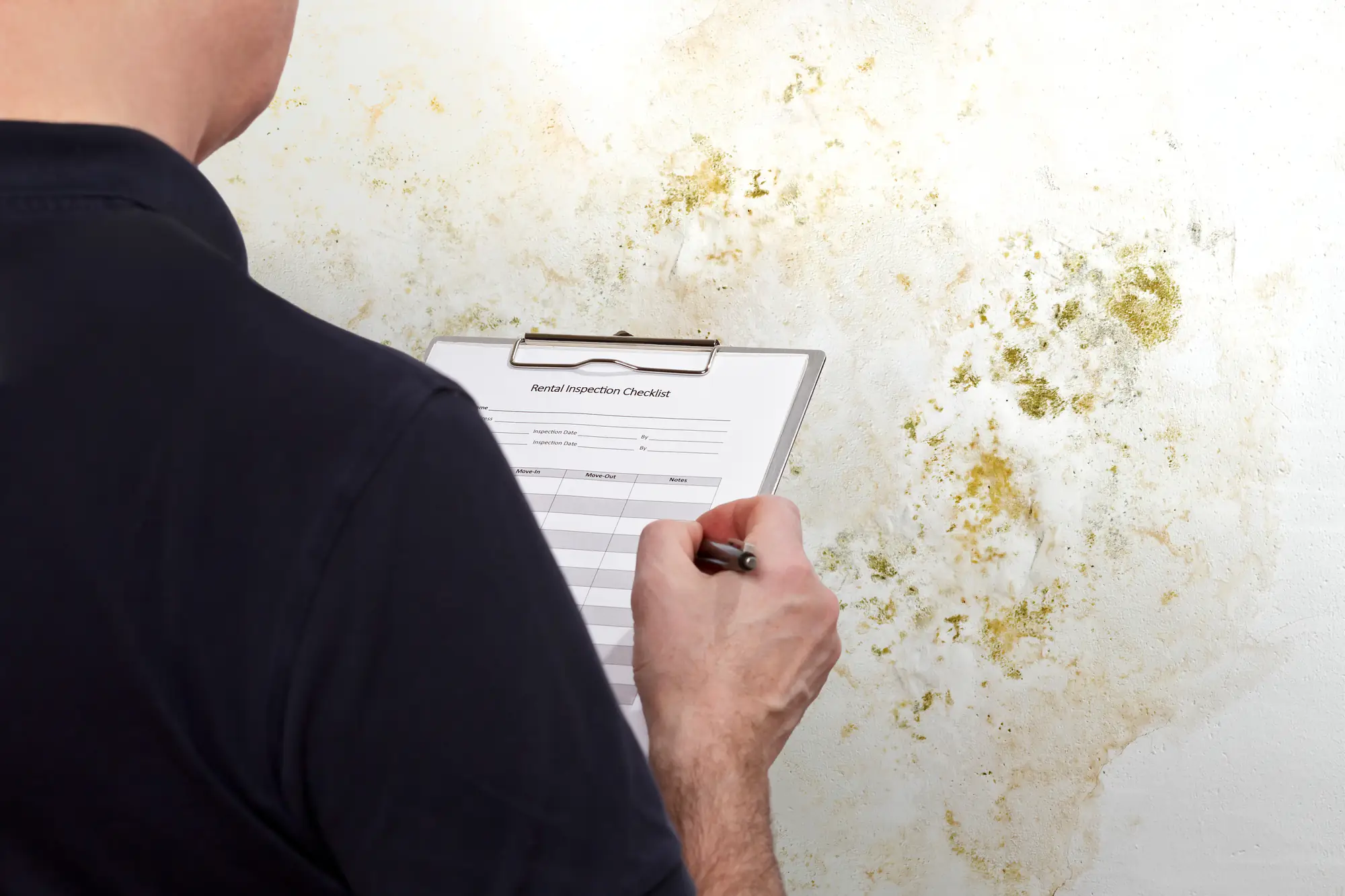
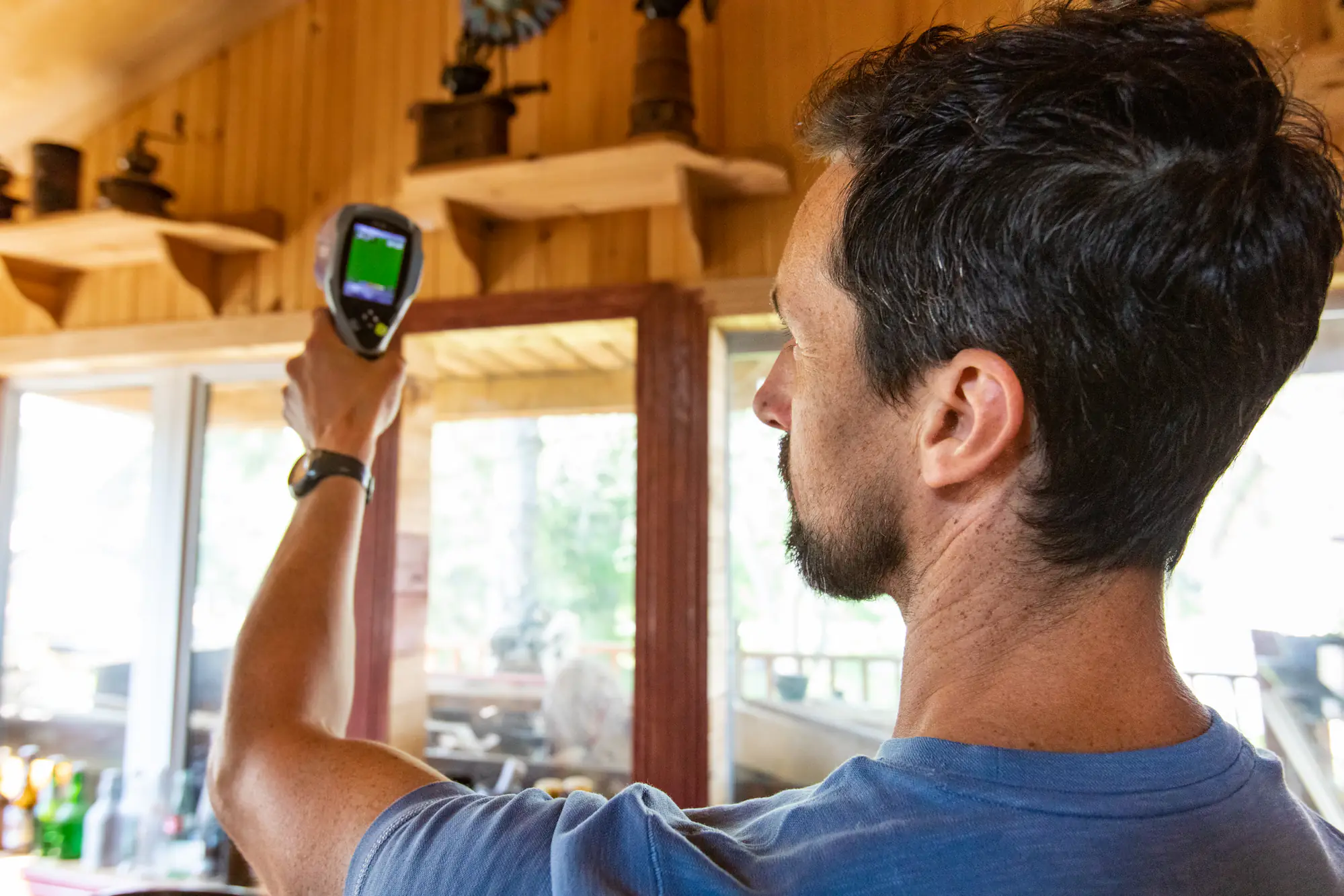
First, we do a free visual inspection of your property. We’re looking at basements, bathrooms, attics, crawl spaces—anywhere moisture tends to collect. We use thermal imaging to spot temperature differences behind walls and moisture meters to find elevated humidity levels you can’t see.
If we find visible mold or conditions that suggest hidden growth, we take air samples and surface samples. These go to an independent third-party lab that specializes in mold analysis. No in-house testing. No bias. Just certified results.
You get those results back in 3-5 business days, sometimes faster if you need expedited processing. The report tells you what species of mold we found, the concentration levels, and how that compares to normal outdoor levels. We walk through what it means in plain language.
From there, you decide what happens next. If remediation makes sense, we can handle it. If the problem is small enough to manage yourself, we’ll tell you how. If everything’s fine, you’ll know that too.
Ready to get started?
Your mold testing includes a complete visual inspection, thermal imaging scan, moisture mapping, and air quality sampling. We test multiple areas of your home to get an accurate picture of what’s happening—not just one room.
Upper Makefield homes, especially older properties or those with previous water damage, face higher mold risk. Pennsylvania’s climate creates perfect conditions for mold growth. Humid summers. Wet basements. Poor ventilation in older construction. These aren’t small issues—they’re the reason 25% of people have mold allergies and why toxic mold exposure causes long-term health problems.
We’re looking for elevated spore counts, moisture intrusion points, and hidden growth areas. The lab analysis identifies specific species, which matters because not all mold is the same. Some species are relatively harmless. Others—like Stachybotrys, the black mold everyone worries about—release mycotoxins that cause serious respiratory problems, kidney issues, even neurological damage.
You also get a detailed report that works for insurance claims, real estate transactions, or just your own records. If you’re buying a home, this documentation gives you negotiating power. If you’re selling, it shows buyers you’ve been proactive. Either way, you’re protected.
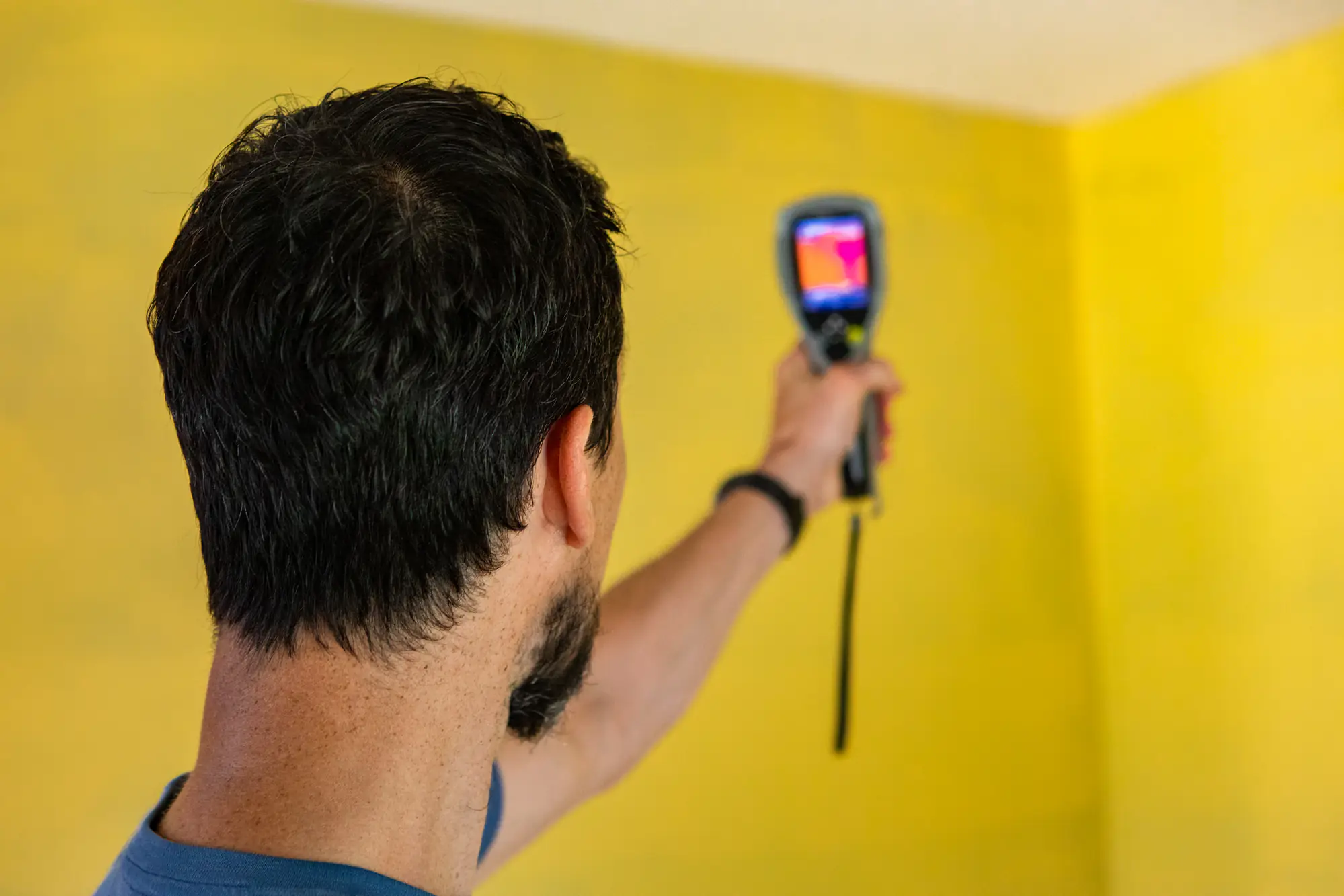
If you can see mold growing, you probably don’t need testing—you need removal. The EPA says mold sampling usually isn’t necessary when visible mold is present because the priority is getting rid of it, not identifying it.
Testing makes sense when you smell mold but can’t find it. When you’re experiencing unexplained health symptoms that improve when you leave the house. When you’re buying a home and want to know what you’re getting into. Or when your insurance company requires documentation for a claim.
It’s also worth testing after water damage, even if you don’t see mold yet. Mold starts growing within 24-48 hours of water exposure. Catching it early, before it spreads behind walls or into HVAC systems, saves you thousands in remediation costs down the line.
Consumer Reports tested every major DIY mold kit on the market and rated all of them “Not Recommended.” The settling plates they use will always grow mold, whether there’s actually a problem or not. They can’t tell you if levels are normal or dangerous. They can’t identify species. And they definitely can’t give you documentation that holds up with insurance companies or in real estate transactions.
Professional testing uses calibrated equipment and certified lab analysis. We’re measuring spore concentrations in the air and comparing them to normal outdoor levels. We’re identifying specific species. We’re finding hidden moisture sources that DIY kits completely miss.
The difference is accuracy. DIY kits create anxiety without giving you useful information. Professional testing gives you actual answers you can act on.
First, you get a detailed report showing what we found, where we found it, and what species it is. We explain what the concentration levels mean and whether they’re elevated compared to normal outdoor air.
Then you decide what to do. If it’s a small area—less than 10 square feet—and it’s not toxic mold, you might be able to handle it yourself with proper cleaning. We’ll tell you how. If it’s widespread, hidden behind walls, or involves toxic species like Stachybotrys, professional remediation makes sense.
We can handle the removal if you want us to, but there’s no pressure. Some homeowners prefer to get multiple quotes. Others want to involve their insurance company first. Whatever works for your situation. The testing stands on its own—you’re not locked into using us for remediation just because we did the testing.
It depends on what caused the mold. Most homeowners insurance policies cover mold if it resulted from a covered event—like a burst pipe, roof leak, or appliance malfunction. They typically won’t cover mold from long-term neglect, humidity, or flooding.
The key is documentation. Insurance companies want proof that the mold came from a covered event and that you took reasonable steps to address it. That’s where professional testing helps. Our reports show exactly what’s growing, where the moisture source is, and when the problem likely started.
We work directly with insurance adjusters and know what documentation they need. We’ve handled hundreds of claims over 27 years. That experience makes the process smoother and increases the chances your claim gets approved. But even if insurance doesn’t cover it, you’ll know exactly what you’re dealing with and what it’ll cost to fix.
The actual testing takes 1-2 hours depending on the size of your home and how many areas we’re sampling. We do the visual inspection, thermal imaging, moisture readings, and air sampling all in one visit.
Samples go to the lab the same day. Standard turnaround is 3-5 business days for results. If you need answers faster—maybe you’re in the middle of a real estate transaction or dealing with a health emergency—we can request expedited processing and get results in 24-48 hours.
Once results come back, we schedule a call or meeting to walk through what we found. We don’t just email you a report and disappear. We explain what the numbers mean, answer your questions, and help you figure out next steps. The whole process from initial inspection to final consultation usually wraps up within a week.
We don’t offer free testing as a sales tactic to push remediation services. A lot of companies do that—they’ll test for free, but only if you use them for the removal work. That creates a conflict of interest. They have a financial incentive to find problems, even when levels are normal.
Our testing is independent. We send samples to third-party certified labs that have no stake in whether you need remediation or not. We give you honest results and honest recommendations. If your home is fine, we tell you that. If there’s a minor issue you can handle yourself, we’ll explain how. If you need professional help, we’ll tell you why.
We’ve been doing this in Upper Makefield and Bucks County for 27 years. We’re licensed, insured, and we follow EPA and IICRC standards. Our equipment is calibrated daily. Our inspectors are certified. And we’re available 24/7 if you’re dealing with an emergency. You’re getting experience, accuracy, and transparency—not a sales pitch.
Other Services we provide in Upper Makefield